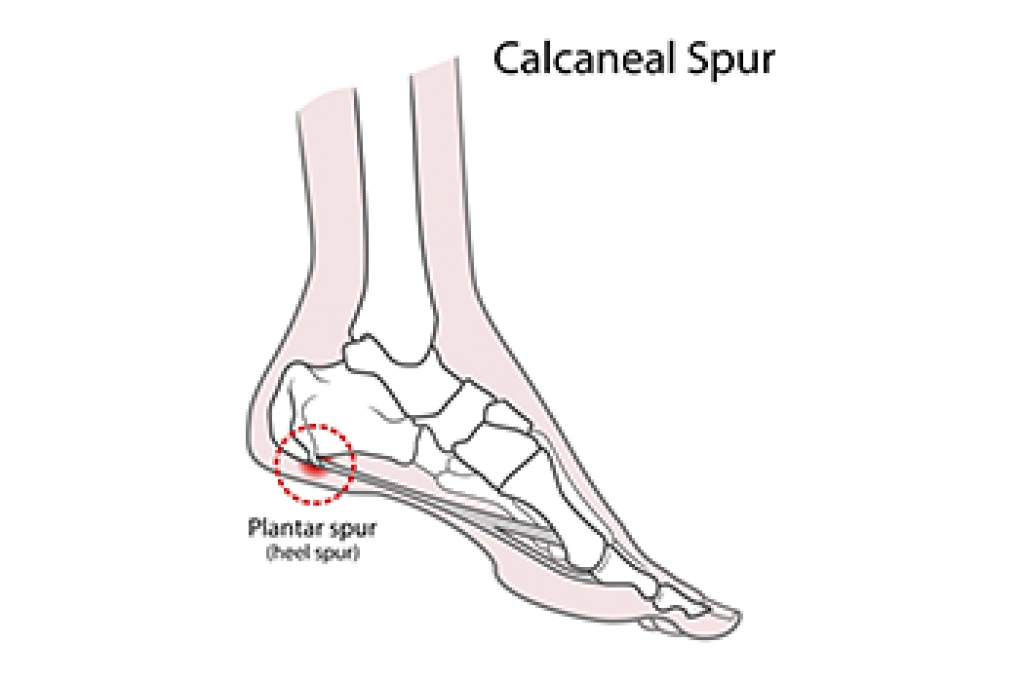
Heel spurs are bony growths that develop along the underside of the heel bone or near the back of the heel where tendons attach. They form when repeated stress places pressure on the bone, sometimes causing calcium deposits to build up over time. Although heel spurs are often associated with foot pain, the growth itself does not always cause discomfort. Pain may instead result from inflammation in the surrounding tissues. Plantar fasciitis is commonly linked to spurs beneath the heel, while Achilles tendinitis occurs near the back of the heel. Understanding these conditions helps you recognize symptoms and seek appropriate treatment.
Heel spurs may develop when repeated pulling or pressure affects the tissues attached to the heel bone. The body responds to ongoing stress by forming additional bone, creating a spur, over time. Inflammation may occur in nearby tissues, contributing to tenderness and discomfort during movement. Osteoarthritis also affects the joints in the foot, causing changes that may influence how pressure is distributed across the heel. Common symptoms include pain when taking the first steps in the morning and discomfort after prolonged standing or walking. Some people experience tenderness at the back or bottom of the heel, especially during activities that place repeated stress on the foot.
Several risk factors increase the likelihood of developing heel spurs. Wearing shoes without adequate cushioning or arch support may increase strain on the heel and surrounding tissues. Being overweight places additional pressure on the feet during everyday activities, while high-impact exercise repeatedly places stress on the heel bone. Tight calf muscles and Achilles tendons may also increase tension around the heel. People who spend long hours standing or walking on hard surfaces may experience greater discomfort. However, having these risk factors does not guarantee that a heel spur will develop, and similar symptoms can occur with other foot conditions.
A podiatrist evaluates heel pain by examining the foot, checking tenderness, and assessing walking mechanics. X-rays may help identify a heel spur, while the examination reveals whether plantar fasciitis or Achilles tendinitis may be contributing to symptoms. Treatment often begins with supportive footwear, activity adjustments, and custom orthotics, when appropriate. Additional options may include medication to reduce inflammation, or other treatments based on the severity of symptoms. Surgery is rarely necessary and is generally considered only when conservative care fails. Heel spurs can be painful and may cause difficulty in completing daily activities. If you have developed a heel spur, it is suggested that you consult a podiatrist for effective relief and treatment solutions.
Heel spurs can be incredibly painful and sometimes may make you unable to participate in physical activities. To get medical care for your heel spurs, contact Breeann Wilson, DPM from Pure Podiatry of WNY, PPLC. Our doctor will do everything possible to treat your condition.
Heels Spurs
Heel spurs are formed by calcium deposits on the back of the foot where the heel is. This can also be caused by small fragments of bone breaking off one section of the foot, attaching onto the back of the foot. Heel spurs can also be bone growth on the back of the foot and may grow in the direction of the arch of the foot.
Older individuals usually suffer from heel spurs and pain sometimes intensifies with age. One of the main condition's spurs are related to is plantar fasciitis.
Pain
The pain associated with spurs is often because of weight placed on the feet. When someone is walking, their entire weight is concentrated on the feet. Bone spurs then have the tendency to affect other bones and tissues around the foot. As the pain continues, the feet will become tender and sensitive over time.
Treatments
There are many ways to treat heel spurs. If one is suffering from heel spurs in conjunction with pain, there are several methods for healing. Medication, surgery, and herbal care are some options.
If you have any questions, please feel free to contact our office located in Buffalo, NY . We offer the newest diagnostic and treatment technologies for all your foot care needs.
