Pain From Heel Spurs

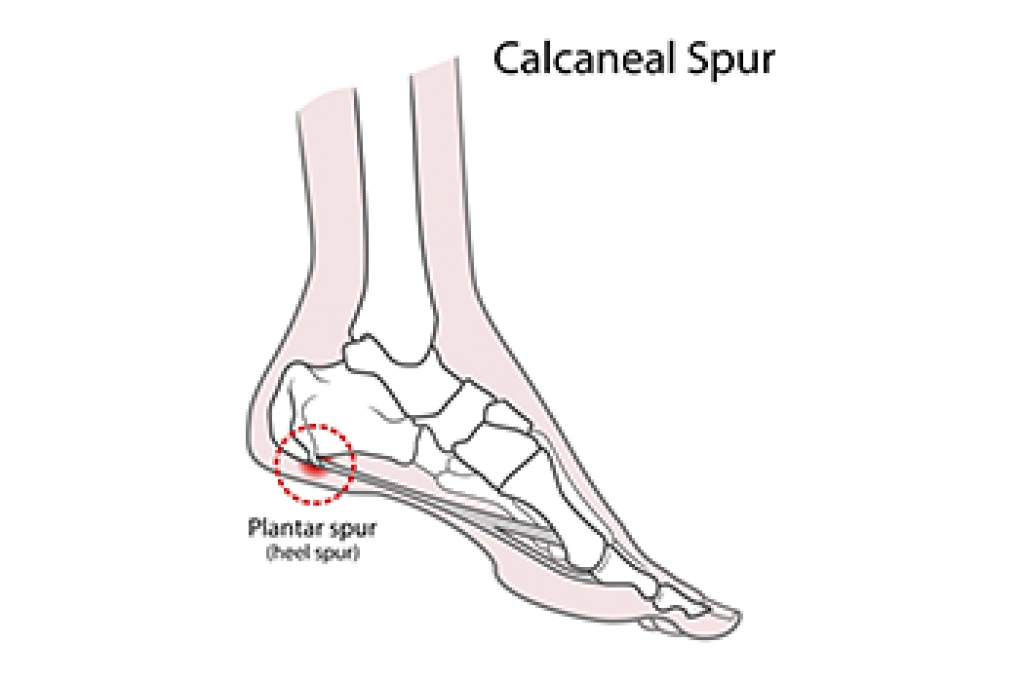
Heel spurs are bony growths that develop along the underside of the heel bone or near the back of the heel where tendons attach. They form when repeated stress places pressure on the bone, sometimes causing calcium deposits to build up over time. Although heel spurs are often associated with foot pain, the growth itself does not always cause discomfort. Pain may instead result from inflammation in the surrounding tissues. Plantar fasciitis is commonly linked to spurs beneath the heel, while Achilles tendinitis occurs near the back of the heel. Understanding these conditions helps you recognize symptoms and seek appropriate treatment.

Read More

Read more about How to Treat Heel Spurs

Diabetic Foot Blisters and Why They Develop

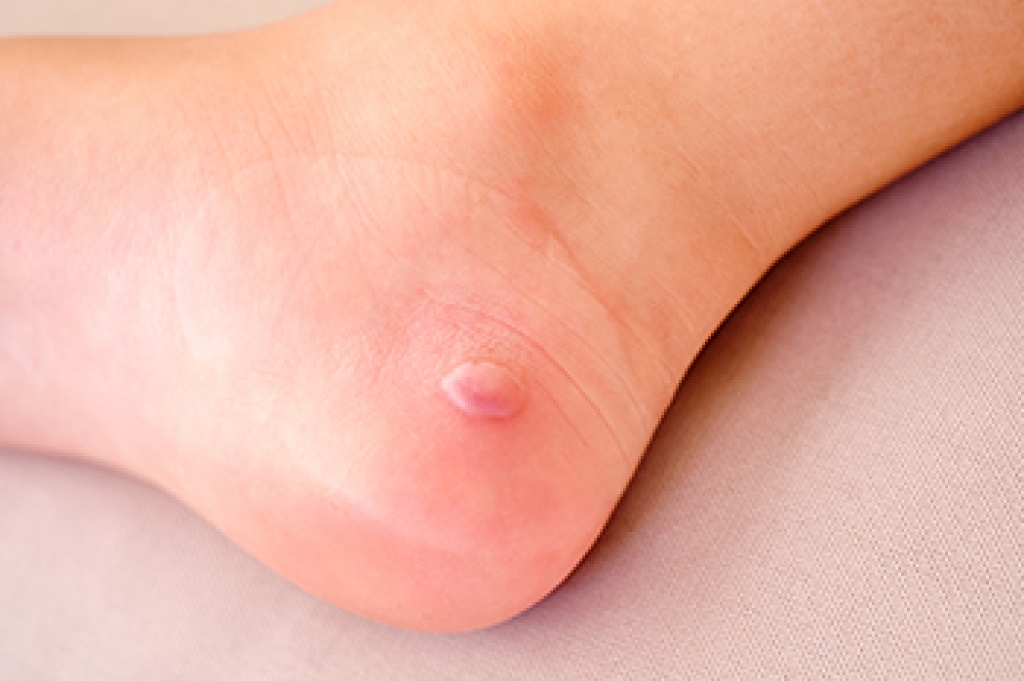
Diabetic foot blister on the lower leg

Diabetic foot blisters are fluid-filled areas that develop on diabetic skin. Some result from shoe friction, while others may be diabetic bullae that appear without an obvious injury. Diabetic blisters are often painless and may occur on the feet or lower legs. Symptoms can include clear fluid, raised skin, or tenderness. Because diabetes can slow healing, even a small blister deserves careful attention.

Read More

Read more about Blisters

Why Do Heels Crack?

Dry, cracked skin on the heel

Cracked heels can make standing and walking uncomfortable, especially when the skin splits deeply. The problem usually begins when the skin around the heel becomes dry and thick. As pressure increases, the skin can lose flexibility and develop small cracks. These cracks are also called fissures. At first, you might notice rough skin or yellowish calluses around the heel. As the cracks deepen, symptoms can include pain, bleeding, and tenderness. Some people also experience itching or redness. Deep openings in the skin can allow bacteria to enter and cause an infection. Recognizing these changes early is important because untreated cracks can become increasingly painful.

Read More

Read more about Solutions for Cracked Heels

When Bunion Surgery Becomes the Right Treatment

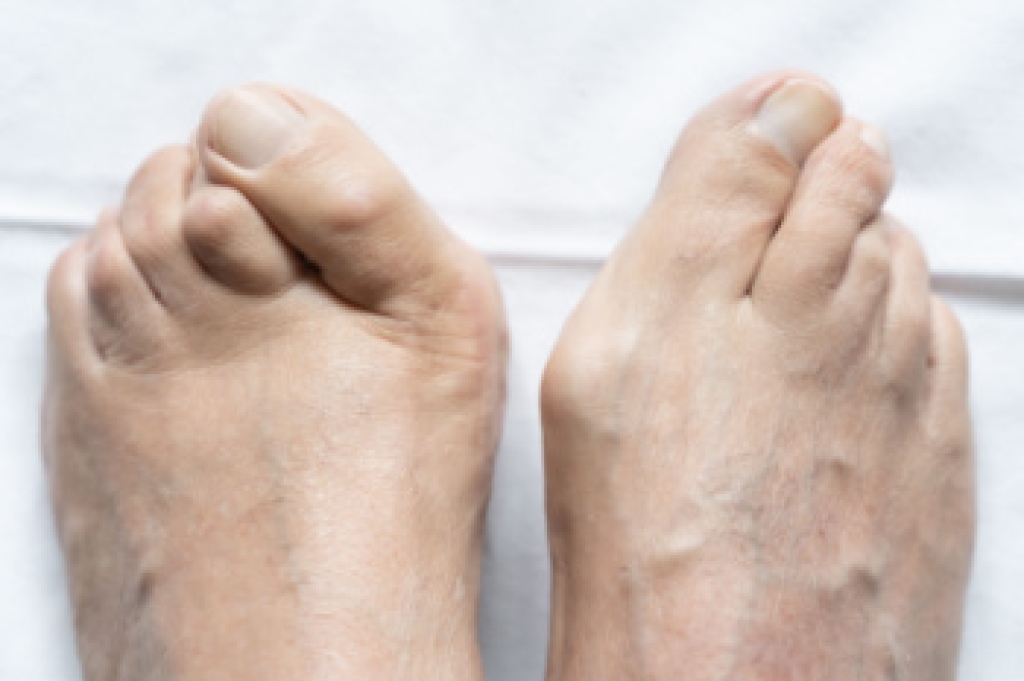
Bunion at the base of the big toe

Bunion treatment starts with understanding why the joint at the base of the big toe hurts. A bunion develops when the bones shift out of alignment, creating a bump along the inner side of the foot. Pressure from shoes irritates this area, while changes in joint position affect movement. A podiatrist examines the foot and checks how the big toe moves. X-rays help show the alignment of the bones and reveal if arthritis is present. Treatment depends on pain levels, joint damage, and limitations in daily activities. A visible bump alone does not mean surgery is necessary. Many patients find relief through treatments that reduce pressure without changing bone alignment.

Read More

Read more about What Are Bunions?

Blog Archives

Back to top